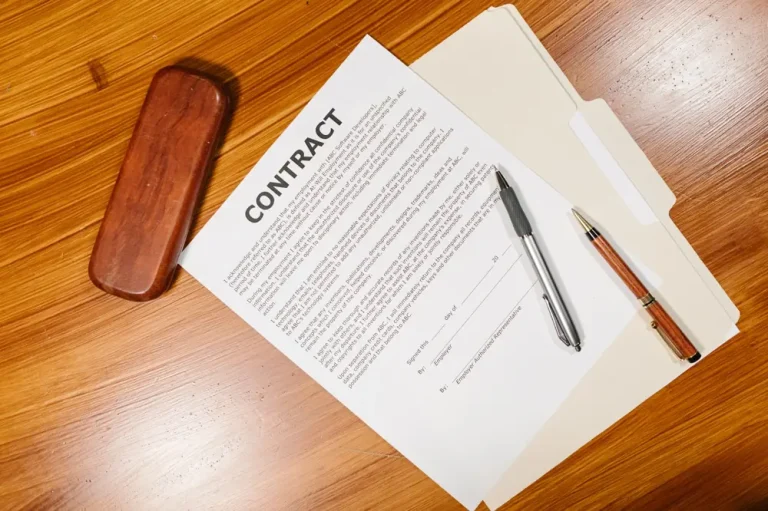
Timeshare Foreclosure Walk Away Cost Consequence USA
By the Vacation Club Guides Editorial Team — reviewed for accuracy. Last updated October 2026. This article is for informational purposes and reflects typical market pricing; verify current details with licensed contractors before starting any project.
Walking away from a timeshare converts one obligation into three — dues, collections, and credit damage — and the deficiency judgment can follow for years.
This guide prices the walk-away consequences honestly: what actually happens to the deed, the credit, and the wallet — and the legal exits that avoid all three.
What This Guide Covers
- Understanding the topic and how pricing works
- The main categories and how they compare
- Three realistic scenarios with real numbers
- A sample budget breakdown
- Practical strategies to control costs
- Common risks and how to avoid them
- Best practices and ongoing habits
- Frequently asked questions
Understanding Timeshare Foreclosure Walk Away Cost Consequence USA
Stopping maintenance payments moves the interest into delinquency: the HOA places liens, refers to collections, and ultimately forecloses. The process runs 12-24 months, during which dues, late fees, and legal costs accrue to the account. The credit impact lands as a foreclosure entry — 100-150 points and seven years on the report.
Deficiency judgments follow in states that permit them: the HOA sells the foreclosed interest and pursues the shortfall — the amount fees and sale-price gaps leave unpaid. The legal exits avoid all of it: deed-back programs, resale transfer, and negotiated surrender end the obligation without the damage cascade.
As a working planning number for the United States in 2026, the typical range sits at $0.0–$12,000 — with the categories and scenarios below explaining what moves a specific case up or down that range.
Key Categories and Options
The main approaches and how they compare on cost, convenience and use case:
| Category / Type | Description | Common Use Case | Cost / Effort Level |
|---|---|---|---|
| Credit damage | Foreclosure entries dropping scores 100-150 points. | The seven-year cost | Report-visible |
| Deficiency exposure | Judgments pursuing fee shortfalls post-foreclosure. | Per state law | Follows for years |
| Collections process | HOA liens, agency referral, and 12-24 month timelines. | The interim | Fees compounding |
| Legal exits | Deed-backs, transfers, surrenders avoiding the cascade. | The alternatives | Damage-free |
The right choice depends on the scenario that matches your travel pattern — the three below cover the situations most travelers actually face.

Three Realistic Scenarios
The walk-away owner
An owner who stopped paying dues and waited.
- Dues unpaid 18 months — $1,500–$2,400
- Late fees and legal costs — $800–$1,600
- Credit score impact — 100-150 points
- Deficiency exposure — $1,000–$4,000
Why this matters: The walk-away prices three obligations for the price of one — the dues, the damage, and the judgment the state permits.
The deed-back exit
An owner resolving through the developer surrender program.
- Deed-back application — Program acceptance
- Surrender fee — $0.0–$1,500
- Credit impact — None — legal transfer
- Dues obligation ends — At recording
Why this matters: The legal exit ends the dues at recording with no credit damage — the resolution the walk-away never attempts.
The resale transfer exit
An owner transferring the week at nominal resale pricing.
- Resale listing price — $1.0–$200
- Closing costs — $500–$900
- Dues end at transfer — Clean cutoff
- Credit impact — None
Why this matters: The transfer exit costs closing fees against years of dues — the arithmetic that prices walking away as the most expensive exit of all.
The scenarios differ mainly in scope and commitment level — the same decision logic applies at every scale.
Sample Budget Breakdown
The table below shows how a typical mid-range budget for timeshare foreclosure walk away cost consequence usa distributes across the main cost lines. Adjust the percentages to your own plans before using it as a savings target.
| Category | Estimated Amount | Explanation | Optimization Tip |
|---|---|---|---|
| Dues during delinquency | $1,500–$2,400 | The accruing obligation the walk-away never escapes. | Negotiate before default |
| Credit cost | $0.0–$12,000 | The seven-year borrowing premium the foreclosure entry prices. | Price the mortgage-rate impact honestly |
| Deficiency exposure | $1,000–$4,000 | The judgment the shortfall pursuit carries per state law. | Verify state deficiency rules |
| Legal-exit costs | $0.0–$1,500 | The deed-back and transfer fees that avoid everything above. | Exhaust before defaulting |
Figures are indicative 2026 market ranges. Program terms, taxes and rates change — verify totals at the point of booking.
Practical Strategies to Control Costs
Cost control on timeshare foreclosure walk away cost consequence usa is mostly about information habits. These are the strategies that consistently deliver the largest savings:
Escrow nothing until the exit path is documented
Exit fraud concentrates in prepaid-fee structures — the regulatory actions across states share the pattern of escalating fees after upfront payments. The licensed-attorney or performance-based structures carry materially lower fraud risk.
Advantages:
- Delivers measurable savings on real bookings
- No special status or points balance required
Disadvantages:
- Requires walking away from high-pressure exit sales — the same discipline the timeshare purchase required.
- Requires habits the casual traveler may not maintain
For inherited contracts, evaluate before accepting
Heirs can typically decline timeshare interests — the acceptance that quietly assumes perpetual maintenance obligations on a property the heir never chose. The estate evaluation window exists precisely for this decision.
Advantages:
- Delivers measurable savings on real bookings
- No special status or points balance required
Disadvantages:
- Requires acting within estate timelines — the default acceptance that happens by silence in some jurisdictions.
- Requires habits the casual traveler may not maintain
Document every communication in the exit process
Rescission letters, certified mailing receipts and HOA correspondence decide contested exits — the paper trail that converts a dispute into documentation. The record that costs nothing and resolves cases.
Advantages:
- Delivers measurable savings on real bookings
- No special status or points balance required
Disadvantages:
- Requires procedural discipline at every step — the habit that feels bureaucratic until it decides the outcome.
- Requires habits the casual traveler may not maintain
Audit the contract before paying any exit company
The rescission window, deed-back language and exit rights already embedded in the contract determine what is even needed — the free rights owners pay $3,000-8,000 to have exercised for them. The audit reading comes first, always.
Advantages:
- Delivers measurable savings on real bookings
- No special status or points balance required
Disadvantages:
- Requires facing the contract directly — the avoidance instinct the exit industry monetizes.
- Requires habits the casual traveler may not maintain
Common Risks and How to Avoid Them
Every booking pattern carries failure modes worth knowing before the money moves:
Paid exit does not stop the maintenance fees
- The issue: Owners paying exit companies frequently remain liable for dues throughout the “process” — the 18-36 month windows where fees accrue against an interest still legally owned.
- Why it happens: The exit that costs the exit fee plus two years of dues..
- Prevention: Confirm the transfer recording date in any exit contract — the deed recording, not the promise, ends the obligation.
Inheritance transfers the obligation
- The issue: Timeshare interests with perpetual maintenance obligations pass to heirs by default in most structures — the estate complication that converts a personal purchase into a family liability..
- Why it happens: Timeshare interests with perpetual maintenance obligations pass to heirs by default in most structures — the estate complication that converts a personal purchase into a family liability..
- Prevention: Address the interest explicitly in estate planning — the disclaimer options exist but require timely action by heirs.
Rescission windows are short and strict
- The issue: Statutory cancellation windows run 3-10 days depending on jurisdiction with strict delivery requirements — the window that expires while the buyer researches.
- Why it happens: The deadline that turns late regret into a resale problem..
- Prevention: Calendar the rescission deadline immediately upon any purchase — certified mail within the window beats every later remedy.
The upfront-fee exit scam pattern
- The issue: Exit companies charging $3,000-8,000 upfront with escalating “transfer fees” and “title fees” dominate the regulatory action records across states — the structure that collects and delivers nothing.
- Why it happens: The pattern repeats because the desperation is real..
- Prevention: Contract only performance-based or attorney-structured exits — the licensed professionals bill differently and document their work.

Best Practices and Ongoing Habits
The recurring habits that keep costs controlled between trips:
| Habit | Frequency | Cost | Why It Matters |
|---|---|---|---|
| Developer and HOA exit program inquiry | First step always | Free | The official channels that resolve cases free. |
| Exit-company license and complaint verification | Before any engagement | Free | The regulatory record the upfront-fee structures leave. |
| Documented certified-mail trail | Every step | Minimal | The paper record that decides contested exits. |
| Contract audit before any exit service | Before engaging anyone | Free | The embedded rights the paid services resell. |
These habits compound: the travelers who run them pay measurably less over years, not because of tricks, but because the information asymmetry runs their way.
Frequently Asked Questions
Are timeshare exit companies legitimate?
A minority operate on performance-based or attorney-structured models with documented outcomes; the upfront-fee majority generates the bulk of regulatory actions across states. Verification is public record: state licensing, complaint databases and attorney general actions.
Can I stop paying maintenance fees on my timeshare?
Stopping payment moves the interest toward collections, foreclosure and credit damage — the association has liens and remedies the contract grants. The deed-based exit (transfer, deed-back or sale) ends the obligation legally; abandonment merely converts it into damage.
What happens to a timeshare when the owner dies?
The interest passes to the estate and typically to heirs — who can usually decline the inheritance if they act within estate timelines. Perpetual maintenance obligations make explicit estate planning essential for timeshare owners.
How much does it cost to get out of a timeshare?
Official channels — developer buy-backs, HOA deed-backs and resale transfers — cost $0-1,000 in closing fees; third-party exit companies charge $3,000-8,000 with mixed outcomes. The contract audit comes first: embedded exit rights resolve a meaningful share of cases for free.
Summary
Planning timeshare foreclosure walk away cost consequence usa in the United States starts with the honest range — $0.0–$12,000 for the scenarios most travelers actually book — then works backwards through the credit damage, the deficiency exposure, and the legal exits that avoid both.
Walking away is the most expensive exit — the transfer and deed-back paths cost hundreds against the walk-away thousands. Verify current terms at the point of booking, price totals rather than headline rates, and let the comparison habits compound across every trip. Those three practices protect more budget than any single program choice.